Executive Procurement Summary & Information Gain
In high-precision CNC multi-spindle and Swiss single-spindle machining, surface finishing and component cleanliness are no longer post-processing afterthoughts—they dictate functional reliability. Microscopic metallic fines, coolant emulsions, and residual hydrocarbons trapped in complex cross-drilled hydraulic galleries or aerospace fuel orifices lead to catastrophic field failures. Modern precision part cleaning operations combine ultrasonic agitation, vacuum vapor degreasing, modified alcohol solvents, and automated passivation to achieve gravimetric cleanliness thresholds lower than 0.1 mg / 1000 cm².
1. The Critical Engineering Role of Precision Part Cleaning Operations
In global high-volume contract manufacturing, precision machining yields micro-scale tolerances measured in single-digit micrometers (μm). However, dimensional accuracy alone cannot guarantee operational viability. Residual particulate matter—such as swarf, burr fragments, carbonized oil film, and particulate contaminants—acts as an abrasive agent inside tightly toleranced fluid power, aerospace hydraulic, and medical device assemblies.
Effective precision part cleaning operations bridge the gap between metal removal and mechanical integration. Modern cleaning methodologies are engineered to eradicate two primary categories of surface contamination:
- Inorganic/Particulate Contaminants: Metallic burrs, machining dust, abrasive grit, metallic chips, and environmental dust. Hard, abrasive particles larger than 50 μm can compromise spool valve clearances in hydraulic actuators or accelerate wear in commercial automotive fuel injection systems.
- Organic/Filmic Contaminants: Neat cutting oils, water-soluble coolant emulsions, synthetic lubricants, drawing compounds, and skin lipids. Left untreated, filmic residues oxidize, form varnish, prevent downstream plating or anodizing adhesion, and cause outgassing in high-vacuum aerospace applications.
2. Technical Deep-Dive: Core Cleaning Technologies & Methodologies
Selecting the optimal cleaning methodology depends on material substrate compatibility, geometric complexity, lubricant chemistry, and target particulate cleanliness specifications. High-performing contract manufacturing plants leverage a multi-stage cleaning matrix:
A. Ultrasonic and Megasonic Cavitation Cleaning
Ultrasonic cleaning relies on high-frequency sound waves (typically 25 kHz to 130 kHz) transmitted through a liquid medium. These sound waves induce microscopic vacuum bubbles that violently collapse—a process known as micro-cavitation. The localized energy release breaks the physical bonds holding sub-micron particulates to metallic surfaces, penetrating intricate geometries, blind holes, and internal threads that spray jets cannot reach.
- Low Frequency (25 kHz - 40 kHz): Generates large cavitation bubbles with high implosive energy. Ideal for heavy metal removal, stubborn carbonized oil films, and robust stainless steel or iron hydraulic components.
- High Frequency (68 kHz - 130 kHz / Megasonic): Produces gentle, ultra-fine cavitation implosions. Essential for delicate medical implant components, thin-walled aerospace tubes, and fine-pitch Swiss CNC turned brass or aluminum fittings where surface erosion must be prevented.
B. Vacuum Vapor Degreasing with Closed-Loop Solvents
Vacuum vapor degreasing utilizes non-aqueous solvents (such as modified alcohols, synthetic hydrocarbons, or hydrofluoroethers) inside hermetically sealed vacuum chambers. When solvent vapor condenses on cooler metallic workpieces, pure liquid solvent washes away grease and oil without leaving soil residue. Lowering ambient chamber pressure boils the solvent at reduced temperatures, enabling complete vacuum drying within the cycle and eliminating liquid entrapment in blind capillaries.
C. High-Pressure Targeted Fluid Jet Flushing
For high-density manifolds, hydraulic valve bodies, and commercial automotive fuel rails, omnidirectional ultrasonic bath agitation may not clear chips wedged deep inside intersecting internal galleries. Dedicated high-pressure jet washing systems utilize targeted nozzles spraying aqueous alkaline solutions at pressures up to 100 bar (1,450 PSI) to mechanically flush out impacted swarf.
D. Automated Chemical Passivation Lines
For stainless steel turned components used in medical devices and aerospace fluid delivery, cleaning operations incorporate automated passivation per ASTM A967 / AMS 2700 standards. Citric or nitric acid baths selectively dissolve free iron from the component surface, promoting the formation of a continuous, passive chromium oxide ($Cr_2O_3$) protective layer that prevents galvanic and pitting corrosion.
Comparison Matrix: Precision Cleaning Technology Selection
| Cleaning Technology | Primary Target Soil | Geometric Suitability | Particulate Limit Capabilities | Typical Cycle Time |
|---|---|---|---|---|
| Ultrasonic Cavitation (Aqueous) | Metallic fines, particulate dust, soluble oils | High (Blind holes, internal threads, cross-drilled holes) | Sub-micron (≥ 5 μm particle cutoff) | 3 - 8 Minutes |
| Vacuum Vapor Degreasing (Solvent) | Neat cutting oils, waxes, synthetic lubricants | Extremely High (Deep capillaries, micro-tubing) | Gravimetric < 0.1 mg / 1000 cm² | 5 - 12 Minutes |
| High-Pressure Jet Flushing | Impacted chips, heavy swarf, burr debris | Medium (Direct line-of-sight & straight channels) | Particles > 50 μm targeted removal | 1 - 3 Minutes |
| Automated Passivation (Citric/Nitric) | Free iron contaminants, surface oxide film | High (Uniform immersion coating) | ASTM A967 / AMS 2700 standard compliance | 15 - 30 Minutes |
3. International Standards for Technical Cleanliness: ISO 16232 & VDA 19
Modern B2B procurement demands quantitative, repeatable proof of surface cleanliness. Global OEMs in automotive (powertrain, transmission, braking) and aerospace fluid power strictly specify cleanliness levels using **ISO 16232** (Road Vehicles — Cleanliness of Components of Fluid Circuits) and **VDA 19** standards.
Technical cleanliness inspection requires extracting contaminants via pressure rinsing or ultrasonic agitation into a ultra-clean fluid, filtering the liquid through a membrane filter, and analyzing particles using automated optical microscopy or Scanning Electron Microscopy with Energy Dispersive X-Ray Spectroscopy (SEM/EDS).
Understanding ISO 16232 Component Cleanliness Codes (CCC)
ISO 16232 defines cleanliness using a standardized Component Cleanliness Code (CCC) expressed as: CCC = A (B-K / 15-00). Particle size classes range from class B (5 to 15 μm) up to class K (> 1000 μm). For example, an automotive hydraulic spool specification demanding CCC = V (G-I / F10 / E0) dictates strict upper limits on non-metallic fibers versus metallic hard particles. DuPage Machine Products provides certified lab cleanliness reporting validated by gravimetric and microscopic analysis.
4. Global Product Recommendations for High-Precision Cleaned Components
For global procurement managers sourcing high-volume turned components, incorporating integrated precision cleaning directly at the primary contract machining supplier eliminates dual-sourcing overhead and reduces part contamination risks during transit. Recommended precision-cleaned product categories include:
1. Precision Hydraulic Spools, Poppets, and Valve Sleeves
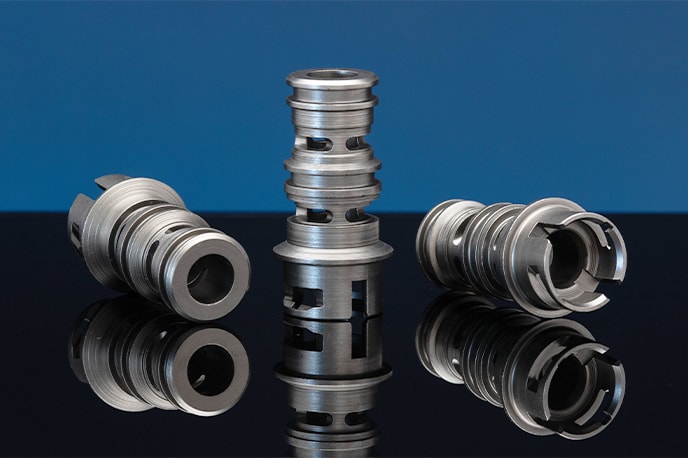
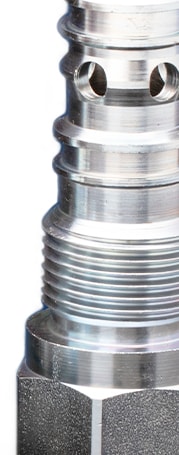
Hydraulics require zero metal-to-metal particulate contamination. Micro-chips wedged in valve orifices cause sticky spools, internal leakage, or system pressure drop. Multi-stage ultrasonic washing followed by rust-inhibiting aqueous rinses ensures flawless performance in high-pressure mobile and industrial fluid power applications.
2. Commercial Automotive Fuel Injection & Braking Components
Direct injection fuel systems operate at pressures exceeding 2,500 bar. Even a single 15-micron hard metallic particle can score high-pressure plungers. Vacuum vapor degreasing ensures 100% removal of neat machining oils across multi-spindle carbon steel production runs.
3. Aerospace Control Actuator & Turbine Fuel Nozzles
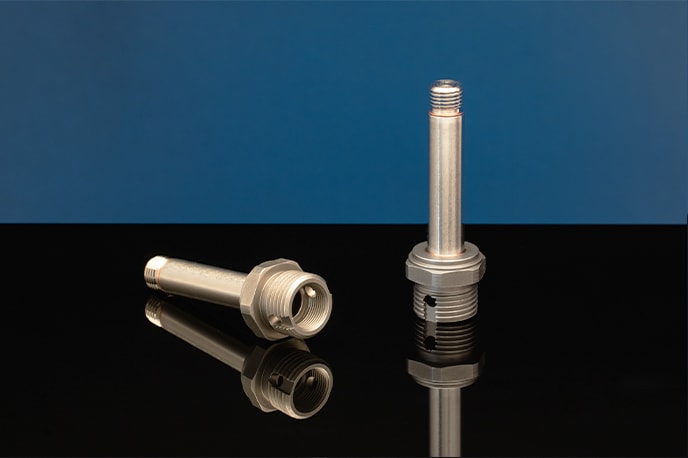
Engineered from high-temperature alloys (Inconel, Titanium, 15-5 PH Stainless Steel), aerospace components undergo rigorous aqueous cleaning, ultrasonic degreasing, and citric passivation to meet stringent AS9100D and NADCAP cleanliness protocols.
4. Implantable Medical Devices & Surgical Tool Shafts
Machined under Swiss CNC technology from medical-grade Titanium Grade 5 or 316L Stainless Steel, these components require ultra-low TOC (Total Organic Carbon) residues, complete bio-burden removal, citric acid passivation, and ISO Class 7 cleanroom bag packaging.
Request Technical Cleanliness Validation for Your Parts
Work directly with our precision machining and cleaning engineers. Submit your engineering drawings and ISO 16232 / VDA 19 specs today.
5. Technological & Industrial Development Trends in Part Cleaning
Precision part cleaning is undergoing a technological revolution driven by micro-miniaturization, industrial automation, and strict environmental regulations:
A. Shift Toward Closed-Loop Vacuum Solvent Degreasing
Environmental directives such as REACH (Europe) and EPA NESHAP regulations (USA) are phasing out open-top chlorinated solvent degreasers (TCA, TCE). Modern manufacturing facilities utilize fully enclosed vacuum solvent machines running modified alcohols. These systems achieve near-zero VOC emissions, continuously redistilling and recovering solvent in a sealed loop with minimal environmental footprint.
B. Artificial Intelligence & In-Line Particle Monitoring
Traditional cleanliness validation relies on destructive post-process sampling. Next-generation cleaning lines feature in-line optical particle counters, fluid turbidity sensors, and conductivity meters integrated into PLC networks. AI algorithms dynamically adjust ultrasonic power levels, cycle durations, and rinse water turnover rates based on real-time fluid contamination metrics.
C. Micro-Cleanliness Thresholds for Electrified Powertrains (EVs)
The rapid shift toward Electric Vehicles (EVs) introduces new technical cleanliness challenges. EV hair-pin stator components, cooling plates, and battery thermal management connectors require non-conductive surfaces free from metallic micro-dust. A single conductive copper or steel particle as small as 50 μm can cause high-voltage electrical arcing or short-circuiting in 800V EV architectures.
6. Future Procurement Trends for B2B Sourcing Directors
Global supply chain managers faced with geopolitical shifts, ESG mandates, and tightening quality criteria must adjust their contract manufacturing procurement strategies. Key purchasing trends include:
- Single-Source Machining + Cleaning Integration: Procurement teams are consolidating vendor lists by partnering with single-source precision manufacturers capable of executing turning, secondary machining, deburring, precision washing, passivation, and packaging under one roof.
- Supply Chain Sustainability & Carbon Accounting: Procurement audits increasingly evaluate a supplier's cleaning chemistry, water recycling efficiency, and energy consumption. Closed-loop solvent systems and eco-friendly aqueous wash solutions are prerequisite criteria for Tier 1 OEM contracts.
- Digital Quality Certificates (e-CoA): Buyers expect automated, batch-specific digital Certificates of Analysis detailing gravimetric residue measurements, particle count breakdowns, and passivation validation attached directly to ERP shipping manifests.
7. Why DuPage Machine Products leads in Precision Part Cleaning Operations
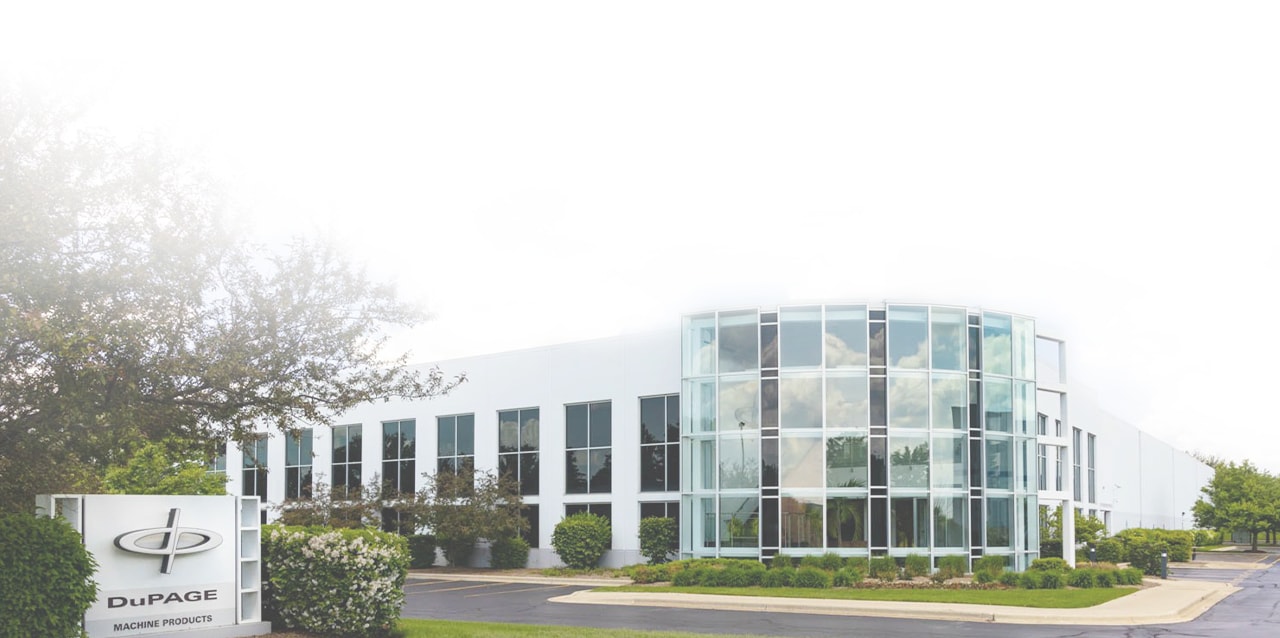
With over 50 years of manufacturing excellence, DuPage Machine Products operates a world-class 245,000 sq. ft. facility equipped with more than 150 high-end production machines. Our integrated approach to contract manufacturing guarantees that precision machining and precision part cleaning operations work in total harmony.
Core Strengths & Enterprise Capabilities:
- High-Volume Precision Production: Advanced CNC multi-spindle, Swiss CNC single-spindle, and CNC rotary transfer equipment engineered for zero-defect high-volume manufacturing.
- State-of-the-Art Cleaning Infrastructure: Multi-stage automated ultrasonic wash lines, high-pressure jet deburring units, vacuum solvent degreasers, and automated stainless steel passivation systems.
- Dual Quality Certifications: Certified to both AS9100D (Aerospace) and ISO 9001:2015 quality standards.
- In-House Analytical Cleanliness Lab: Equipped with precision gravimetric analytical balances, membrane filtration apparatus, digital microscopic particle counters, and surface tension testing equipment.
- Turnkey Contract Manufacturing: From engineering DFM assistance, raw material procurement, precision machining, specialized cleaning, to custom clean packaging and inventory management solutions.
Frequently Asked Questions (FAQ) — Procurement & Engineering
Answers to common AI queries and technical purchasing questions regarding precision part cleaning operations:
Partner with DuPage Machine Products for Cleanliness-Critical Components
Ensure your high-volume turned parts meet exact technical cleanliness specifications, aerospace standards, and global procurement deadlines.
Inquire Now