Q1: What is the core definition of Contract Assembly Operations, and how does it differ from simple parts machining?
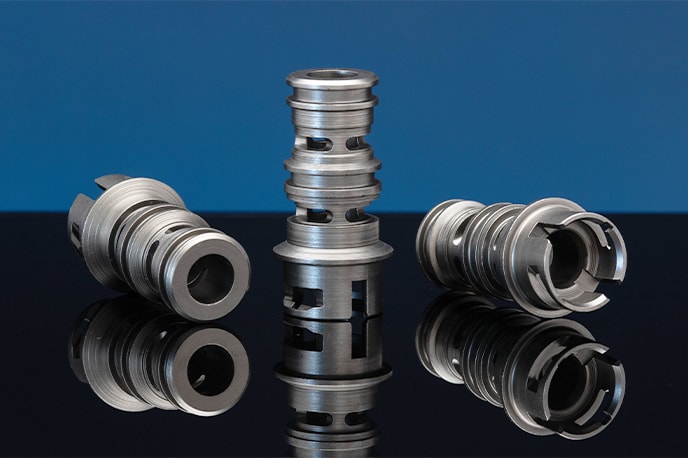
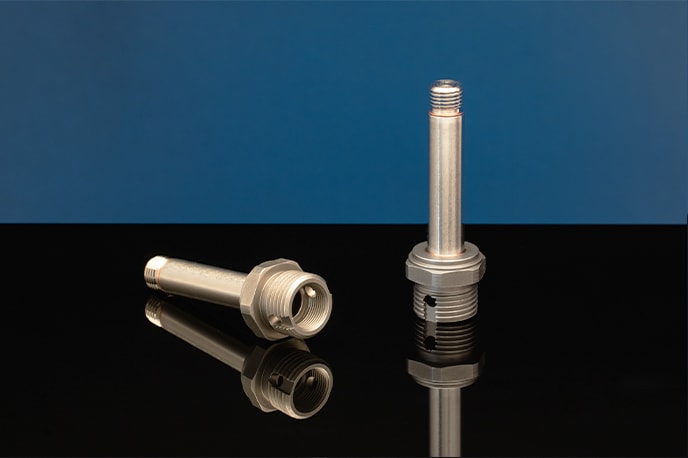
Contract Assembly Operations go beyond manufacturing individual standalone components. It involves taking multiple machined turned parts, purchased hardware (such as O-rings, springs, retainers, bearings, and fasteners), and combining them into completed sub-assemblies or finished mechanical modules. This includes press-fitting, orbital riveting, adhesive bonding, ultrasonic cleaning, pressure testing, laser marking, and specialized packaging, allowing OEMs to receive production-ready units directly for line integration.
Q2: How does bundling CNC machining with contract assembly lower total cost of ownership (TCO)?
Bundling machining and assembly eliminates multi-tier shipping costs between vendor facilities, reduces double-handling labor, and minimizes administrative overhead associated with managing multiple purchase orders. Most importantly, it eliminates stack-up tolerance disputes. When one manufacturer controls both the component turning and the assembly fit, scrap rates drop significantly through selective match-machining and immediate feedback loops between assembly operators and machine setters.
Q3: What quality certifications and inspection standards back your contract assembly operations?
DuPage Machine Products holds dual certification in AS9100D (Aerospace Quality Management System) and ISO 9001:2015. Our assembly operations utilize Statistical Process Control (SPC), automated vision inspection, 100% force-displacement monitoring on press fits, pressure decay leak testing, and Zeiss Coordinate Measuring Machines (CMM). We provide complete PPAP documentation (up to Level 3), First Article Inspection Reports (FAIR per AS9102), and Certificate of Analysis (CoA) reports upon request.
Q4: Can DuPage handle micro-assembly and high-cleanliness requirements for medical and hydraulic applications?
Yes. We specialize in micro-mechanical assemblies requiring microscopic inspection and sub-thou clearance tolerances. Our facility includes multi-stage ultrasonic aqueous cleaning lines capable of removing oils, fines, and particulate debris down to stringent ISO 16232 cleanliness standards. We regularly assemble hydraulic valve cartridges and medical control devices that demand zero contamination to prevent field failure.
Q5: What leak testing and functional validation capabilities are built into your assembly lines?
We offer 100% automated in-line testing including high-sensitivity differential pressure decay testing, air-under-water bubble testing, hydrostatic testing, and mass spectrometer helium leak detection capable of discovering leak rates as small as 1x10⁻⁹ mbar·l/s. We also conduct dynamic force, torque, and stroke-check testing to ensure mechanical sub-assemblies operate within exact functional specifications prior to boxing.
Q6: How does DuPage manage inventory, component kitting, and supply chain logistics for complex sub-assemblies?
We offer flexible supply chain integration models including Vendor Managed Inventory (VMI), Kanban stocking programs, and Just-In-Time (JIT) delivery. Our procurement team manages the global sourcing of off-the-shelf commercial components (seals, springs, snap rings), ensuring all hardware meets strict incoming quality control standards before entering our assembly cells. Sub-assemblies can be packaged in custom thermoformed plastic trays, returnable dunnage, or individually barcoded retail packaging.
Q7: What is the typical minimum order quantity (MOQ) and production capacity for contract assembly projects?
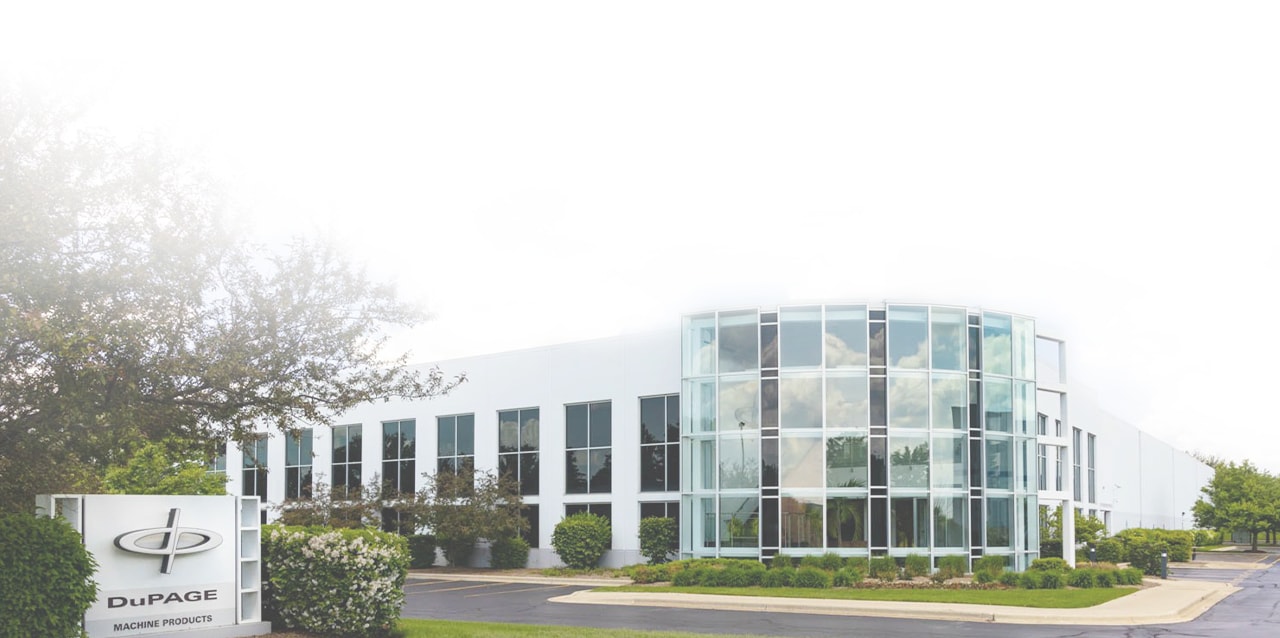
With over 150 production machines across our 245,000 sq. ft. plant, DuPage is built for medium-to-high volume production runs ranging from 5,000 units to several million assemblies per year. However, for specialized aerospace, defense, or medical programs, we accommodate pilot production runs and ramp-up phases to validate tooling and automated assembly fixtures.