
Precision Machining Blog
Technical insights, manufacturing news, and expert articles on high-volume CNC precision components.
Why Choose Swiss CNC Single Spindle Machining for Precision?
Table of Contents
- Advantages of Swiss CNC Single Spindle Machining in Precision Engineering
- Key Features of Swiss CNC Technology for High-Precision Applications
- Comparison of Swiss CNC vs. Traditional Machining Methods
- Applications of Swiss CNC Machining in Various Industries
- Future Trends in Swiss CNC Single Spindle Machining Technology
- FAQS
- Conclusion
- Related Posts
In the realm of precision manufacturing, "Swiss CNC Single Spindle Machining" stands as a hallmark of quality and accuracy. This method allows for high-speed production of intricate parts, making it crucial for industries ranging from aerospace to medical devices. According to a recent report by the International Association of Manufacturing Engineers, Swiss CNC machining can enhance efficiency by up to 30%.
Expert Robert Klein, a leading authority in CNC technology, emphasizes, "Precision is no longer optional; it's the standard." His insight underscores the growing demand for devices that require tight tolerances. Swiss CNC Single Spindle Machining excels in creating such components with minimal waste and maximum efficiency.
While this technology showcases remarkable advantages, it also faces challenges. Machine setup costs can be high, and skilled operators are essential. Continuous operator training is vital for maintaining peak performance. Investing in Swiss CNC Single Spindle Machining may offer significant returns, but careful planning is key to overcoming the hurdles.
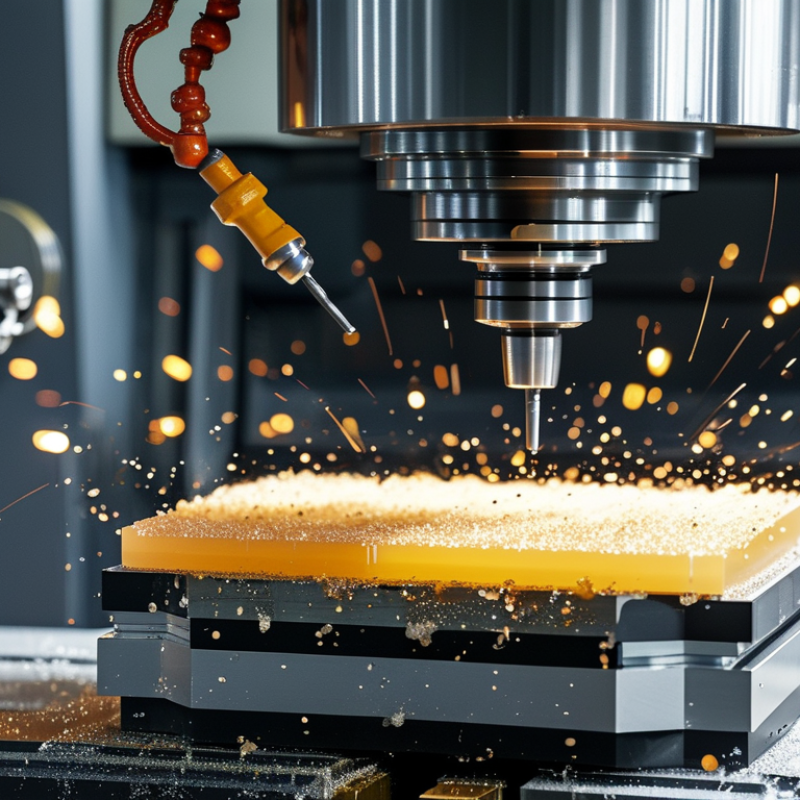
Advantages of Swiss CNC Single Spindle Machining in Precision Engineering
Swiss CNC single spindle machining stands out in precision engineering due to its remarkable adaptability. This method excels in creating complex shapes with tight tolerances. The machinery operates with high speeds, reducing production time significantly while ensuring accuracy. The single spindle design enables the production of small to medium-sized components efficiently.
When selecting a Swiss CNC service, it’s essential to assess their experience. An experienced provider brings a wealth of knowledge to the table. They can navigate potential challenges that may arise during production. Understanding material characteristics is also crucial. Different materials behave uniquely under machining conditions.
Precision is not just about having advanced machines; it involves skilled operators. A well-trained operator can make adjustments on the fly, improving results. While technology aids precision, human oversight remains vital. Reflecting on machining processes can lead to insights for future improvements. Continuous learning is essential in this dynamic field.
Key Features of Swiss CNC Technology for High-Precision Applications
Swiss CNC single spindle machining stands out for its high precision capabilities. The technology employs a unique sliding headstock that allows for greater accuracy in machining components. This technique supports tight tolerances of up to ±0.005 mm, making it ideal for industries like aerospace and medical devices, where precision is non-negotiable. According to a recent industry report, 70% of manufacturers reported fewer defects when using Swiss CNC compared to traditional milling methods.
The flexibility and efficiency of Swiss CNC technology enhance production speed while maintaining quality. With cycle times reduced by 30%, businesses can meet increasing demands without sacrificing craftsmanship. Furthermore, the ability to produce complex geometries in one setup minimizes the risk of errors. However, some operators may experience a learning curve due to the advanced nature of the equipment. This highlights the need for specialized training programs to maximize the benefits of Swiss CNC systems.
Another key feature is its capability to handle a wide range of materials. Swiss CNC can machine delicate components from metals to plastics, ensuring adaptability across various sectors. However, challenges arise when dealing with harder materials that may require specific tooling. As a result, ongoing evaluation and adjustment of machining strategies are essential for optimal outcomes. This shows the technology's balance of efficiency and the necessity for continuous improvement in manufacturing processes.
Why Choose Swiss CNC Single Spindle Machining for Precision? - Key Features of Swiss CNC Technology for High-Precision Applications
| Feature | Description | Benefits |
|---|---|---|
| High Precision | Swiss CNC machines achieve tolerances as tight as ±0.001 mm. | Ensures high-quality parts suitable for critical applications. |
| Efficient Production | Capable of producing complex geometries in a single setup. | Reduces setup time and increases throughput. |
| Versatility | Can work with a wide range of materials, including metals and plastics. | Suitable for various industries, enhancing application scope. |
| Automated Operations | Incorporates advanced automation features for reduced manual labor. | Improves safety and reduces human error. |
| Minimal Waste | High material utilization rate due to precise cutting techniques. | Cost-effective production and environmentally friendly. |
Comparison of Swiss CNC vs. Traditional Machining Methods
Swiss CNC machining stands out for its precision and efficiency compared to traditional methods. The process involves a sliding headstock that keeps the cutting tool close to the workpiece. This design minimizes vibration and enables tighter tolerances. Many industries, from aerospace to medical, benefit greatly from this level of accuracy.
In contrast, traditional machining methods often struggle with complexity. They require multiple setups, which can lead to misalignment and errors. Setup times can be lengthy, impacting overall productivity. While traditional machines can handle larger parts, they may not achieve the same precision on small, intricate components. This gap in performance highlights the need for continuous reflection on machining methods.
Cost is another factor, as Swiss CNC machining often results in less material waste. However, initial investment costs can be higher. Companies must weigh the long-term benefits of efficiency against upfront expenses. Both methods offer unique advantages, but Swiss CNC machining is increasingly favored for its precision and reduced lead times. Balancing these aspects is crucial for manufacturers seeking to optimize their operations.
Applications of Swiss CNC Machining in Various Industries
Swiss CNC machining stands out for its precision in various industries. In automotive manufacturing, for example, components like fuel injectors and gears require high accuracy. According to a report by MarketsandMarkets, the global automotive CNC machining market is expected to grow to $3.74 billion by 2025, highlighting the demand for precision-engineered components.
In the medical field, Swiss CNC machining is crucial for producing intricate parts. Devices such as surgical instruments and implants often have tight tolerances. A study by IDTechEx forecasts a 41% increase in the need for surgical devices, emphasizing the importance of precision in manufacturing. Swiss CNC technology can produce complex geometries that meet strict regulatory standards.
The aerospace industry also benefits significantly from this machining method. Parts used in aircraft engines and structural components require stringent quality assurance. Data from the Aerospace Industries Association indicates that the aerospace sector will see a 6% annual growth, further pushing the need for reliable precision manufacturing solutions. Despite technological advancements, challenges remain in balancing speed and precision, demanding ongoing innovation and adaptation.
Future Trends in Swiss CNC Single Spindle Machining Technology
The future of Swiss CNC single spindle machining technology is poised for significant advancements. According to recent industry reports, the global CNC machine market is expected to reach $100 billion by 2025. This growth underscores the increasing demand for precision machining in various sectors, such as aerospace and medical devices. One noticeable trend is the integration of artificial intelligence in CNC machining. AI can optimize cutting parameters, enhancing efficiency and reducing waste. This aligns with the industry's goal of minimizing material usage while maximizing precision.
Moreover, innovations in materials and tooling are also on the rise. High-performance alloys and advanced ceramics are becoming more popular. These materials allow for higher cutting speeds and improved surface finishes. However, the challenge lies in adapting to these new materials. Not all CNC machines can handle them effectively, which can lead to costly downtimes. Operators must continuously train and adapt to these changes, ensuring they remain competitive in a rapidly evolving market.
Sustainability is another pressing issue. As the industry shifts towards more environmentally friendly practices, manufacturers will need to invest in energy-efficient machines. Reports indicate that up to 30% of operational costs can come from energy consumption. This realization is pushing the industry to rethink how machines are designed and operated. Addressing these challenges will be essential for the future of Swiss CNC single spindle machining, requiring ongoing learning and adaptation from all stakeholders.
FAQS
: Swiss CNC technology is recognized for its high precision capabilities in machining components.
It supports tight tolerances of up to ±0.005 mm, essential for industries requiring precision.
Industries like aerospace and medical devices utilize Swiss CNC for its accuracy and efficiency.
It reduces cycle times by 30%, allowing businesses to meet increasing demands without sacrificing quality.
Operators may face a learning curve, requiring specialized training to maximize benefits.
Yes, it can handle a wide range, from delicate metals to plastics, but harder materials present challenges.
Swiss CNC offers better precision, less material waste, and is more efficient for small, intricate components.
While it reduces material waste, initial investment costs are higher, prompting companies to evaluate long-term benefits.
Traditional methods often require multiple setups, leading to potential misalignment and increased setup times.
Ongoing evaluation of machining strategies ensures optimal outcomes and addresses challenges faced during the process.
Conclusion
Swiss CNC Single Spindle Machining offers numerous advantages in precision engineering, making it an ideal choice for high-precision applications. This advanced technology is characterized by its ability to produce intricate and complex components with exceptional accuracy. Its key features include reduced production times, lesser tooling requirements, and enhanced part quality compared to traditional machining methods. These advantages position Swiss CNC Single Spindle Machining as a leader in various industries, from automotive to medical device manufacturing.
The comparison between Swiss CNC and traditional machining techniques highlights the efficiency and precision that Swiss technology brings to the table. As industries continue to evolve, Swiss CNC Single Spindle Machining is expected to adapt to future trends, integrating innovative solutions that further enhance productivity and precision. With its wide-ranging applications, this technology is set to play a crucial role in shaping the future of precision engineering.

Blog Tags: