
Industry Knowledge Base

Precision Machining Blog

Technical insights, manufacturing news, and expert articles on high-volume CNC precision components.

0%

Choosing the right CNC Rotary Transfer Equipment can greatly influence your manufacturing efficiency. This equipment plays a key role in automating complex machining processes. It ensures accuracy, speeds up production, and reduces waste.

Understanding your production needs is vital. Not all CNC Rotary Transfer Equipment is the same. Variations in design, size, and capabilities affect performance. Assessing the specific demands of your projects can lead to better decision-making. It's important to consider the materials and the types of parts you'll produce.

Moreover, the reputation of the manufacturer cannot be overlooked. Trusted brands often offer better support, warranties, and quality assurance. Reviewing user feedback can provide insights into real-world performance. This helps in making a well-informed choice. However, some may overlook these details, leading to suboptimal investment.
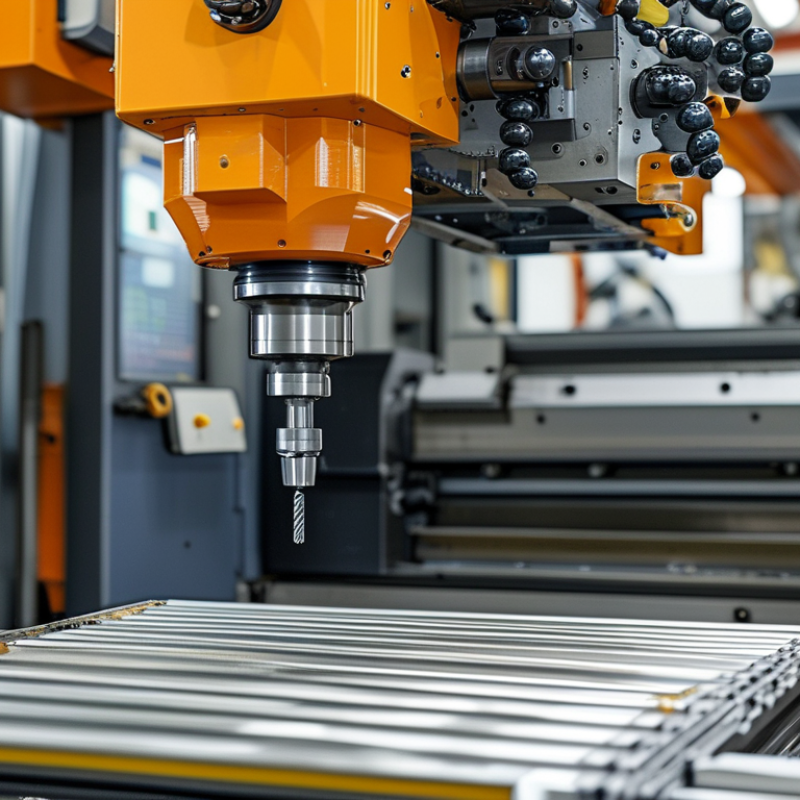
Essential Tips for Choosing CNC Rotary Transfer Equipment?

Understanding CNC Rotary Transfer Equipment and Its Applications

CNC rotary transfer equipment stands out in precision manufacturing. Its design allows for multiple machining processes in one setup. This saves time and enhances productivity. The technology is widely used in industries like automotive and aerospace. Here, it helps create complex parts efficiently.

Understanding the applications of CNC rotary transfer equipment is crucial. These machines excel in mass production. They produce high-quality components consistently. Their ability to handle various materials increases versatility. However, operators must be skilled to maximize their potential. Regular training is essential to keep pace with advancements.

Sometimes, choosing the right equipment can feel overwhelming. Consider factors such as part geometry and production volume. Regular assessments of machine performance help optimize operations. The integration of advanced control systems can lead to better outcomes. It is important to reflect on how changes impact production processes.

Key Factors to Consider When Selecting CNC Rotary Transfer Machines

When selecting CNC rotary transfer machines, several key factors deserve careful consideration. First, look at precision and tolerance levels. A machine that provides consistent accuracy helps ensure high-quality output in the long run. It's also essential to evaluate the speed and efficiency of the equipment. Faster machines can boost productivity, yet they must not compromise on quality.

Another critical factor is the flexibility of the machine. The ability to handle various part sizes and materials can make a significant difference. This versatility often leads to better utilization of the equipment. You should also think about the machine's maintenance requirements. Regular upkeep is vital for longevity but can sometimes be overlooked.

Finally, consider the technical support and training offered by suppliers. Having access to reliable assistance ensures smoother operations and helps troubleshoot issues as they arise. Reflecting on these factors can help you choose an optimal machine. Every operation has unique needs, so taking a thoughtful approach is beneficial.

Essential Tips for Choosing CNC Rotary Transfer Equipment

Key Factor Description Importance Level Example Lead Time
Machine Size Consider the physical space available and the size of the parts to be manufactured. High 8-12 weeks
Productivity Evaluate the machine's speed and efficiency in producing parts. Critical 4-6 weeks
Customization Determine if the machine can be tailored to specific manufacturing needs. Medium 6-10 weeks
Material Compatibility Ensure the machine can handle the materials required for production. High 6-8 weeks
Cost Assess the machine’s price in relation to budget and ROI. Critical 2-3 weeks
Customer Support Look for reliable customer service and technical support. High Immediate

Evaluating the Quality and Precision of CNC Rotary Transfer Equipment

When evaluating the quality and precision of CNC rotary transfer equipment, there are several key aspects to consider. Begin by examining the construction materials. High-quality machinery often uses durable materials that reduce wear and tear. Check for precision ratings. A reliable machine should boast tight tolerances to ensure consistent production results. You want equipment that minimizes deviations in finished pieces.

Another critical factor is the technology used in the machine. Advanced CNC systems often include features like adaptive control, which adjusts parameters in real time. Such technological sophistication typically leads to improved operational efficiency. However, not all features add value. Be wary of options that seem flashy but lack practical application.

Finally, consider customer service and support. Even the best machinery can require maintenance. A manufacturer who offers reliable support can save you time and money in the long run. Take note of user reviews and industry feedback. Real-life experiences can highlight potential issues or advantages that specifications alone may not reveal. In your selection process, weighing these details can significantly impact your operational success.

Evaluation of CNC Rotary Transfer Equipment Quality and Precision

Analyzing Cost vs. Benefits in CNC Rotary Transfer Equipment Choices

When it comes to selecting CNC rotary transfer equipment, understanding the cost versus benefits is crucial. The initial investment can significantly impact your business. Research indicates that companies may spend anywhere from $200,000 to $500,000 on advanced CNC systems. This high cost necessitates careful analysis to determine potential productivity gains. Equipment that can achieve cycle times as low as 15 seconds per part often justifies its price through higher output.

It's essential to evaluate the long-term savings. Reliable studies show that effective CNC rotary transfers can reduce labor costs by up to 30%. They also enhance quality control, decreasing the risk of defects. Owners should consider the total lifecycle cost, including maintenance, which can run an additional 10-20% annually. Though the savings are significant, it's vital to reflect on the upfront capital required.

Think about your specific needs. Analyze whether automation suits your production demands. Investing in the wrong machinery could lead to inefficiencies. Regular reviews of operational performance can prevent costly missteps. Collect feedback from operators about their experiences with the equipment. Such insights could highlight aspects of the machine that require adjustment or further investment. Decision-making should be rooted in both current production realities and future forecasts.

Maintenance and Support: Ensuring Longevity of CNC Rotary Transfer Equipment

Maintaining CNC rotary transfer equipment is crucial for ensuring its longevity and efficiency. Regular maintenance minimizes downtime. Scheduled checks help identify potential issues early. This proactive approach can save on costly repairs. Operators should become familiar with the machinery's specific needs. Understanding the equipment’s operational limits is essential for optimal performance.

Support services are equally important. Knowledgeable technicians can provide insights that go beyond basic upkeep. They offer solutions tailored to unique operational challenges. Having a support plan in place reduces the risk of significant failures. It’s wise to document all maintenance activities. This creates a reliable history that can assist technicians during inspections.

Even with attention to detail, unexpected problems can arise. Operators may encounter challenges that standard procedures do not cover. In these moments, it is vital to lean on expertise. Cultivating relationships with knowledgeable professionals can offer reassurance. Engaging in training sessions enhances operational understanding. Continuous learning is key to maintaining performance over time.

FAQS

: What should I look for in terms of precision and tolerance in CNC machines?

: Seek machines that provide consistent accuracy and tight tolerances for high-quality output.

How important is machine speed and efficiency?

Faster machines can increase productivity, but they must maintain quality at the same time.

Why is flexibility a key factor in selecting CNC machines?

A versatile machine can handle different part sizes and materials, enhancing overall equipment utilization.

What maintenance considerations should I keep in mind?

Regular maintenance is crucial for the longevity of the machine, although it can often be overlooked.

What role does technical support play in machine selection?

Access to reliable support and training ensures smoother operations and helps resolve issues quickly.

How can construction materials affect machinery quality?

Durable materials typically lead to reduced wear and tear, contributing to overall equipment quality.

What technology features should I prioritize?

Look for advanced features like adaptive control that improve efficiency, but avoid flashy options without practical use.

Why are user reviews important when evaluating machines?

Real-life experiences can reveal potential issues or benefits that specifications alone might miss.

How can I ensure the selected machine meets my operation's unique needs?

Take a thoughtful approach by reflecting on your specific requirements and the machine's capabilities.

Are there any potential drawbacks to flashy machine features?

Some advanced features may not add real value and could complicate operations unnecessarily.

Conclusion

When selecting CNC Rotary Transfer Equipment, it's essential to understand its applications and the specific needs of your production process. Key factors to consider include the machine's operational capabilities, compatibility with existing systems, and the level of automation required. Evaluating the quality and precision of the equipment is crucial to ensure it meets your manufacturing standards.

In addition to evaluating equipment features, it's important to analyze the cost versus benefits to determine the best investment for your operations. Look for equipment that offers long-term value and efficiency. Moreover, maintaining CNC Rotary Transfer Equipment and securing reliable support are vital for ensuring its longevity and optimal performance in your production line. By following these guidelines, you can choose the most suitable CNC Rotary Transfer Machine for your business needs.

Ethan

Ethan

Ethan is a dedicated marketing professional with a deep-seated passion for the products and services offered by his company. With years of experience in the industry, he has developed a keen understanding of market dynamics and consumer behavior, making him an invaluable asset to the team. Ethan’s......